There is a question that sits at the heart of every serious conversation about organisational performance. It is deceptively simple, almost uncomfortably direct, and most leadership teams would rather not answer it in public.
Are we succeeding because of our people – or in spite of them?
The question matters because the answer determines almost everything about how an organisation should be led, how its systems should be designed, and what its real competitive position actually is.
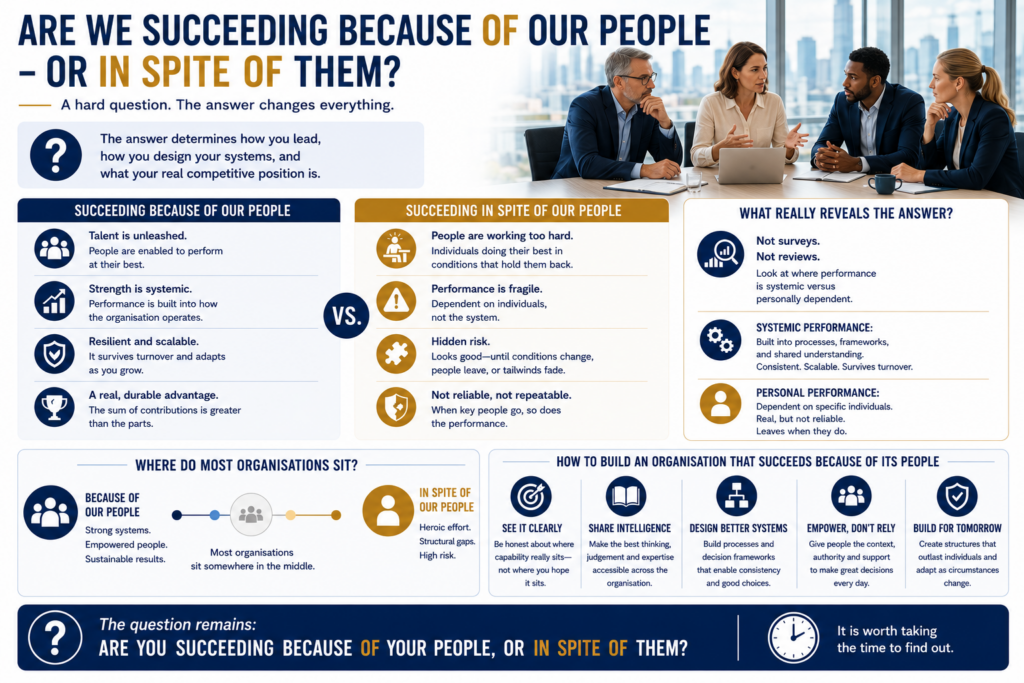
An organisation that is succeeding because of its people has built something genuinely valuable. It has created conditions in which talented individuals can perform at their best, where their capabilities are well deployed, and where the sum of their contributions is consistently greater than the parts. This is a real and durable advantage.
An organisation that is succeeding in spite of its people has a different kind of story. It is performing well despite misalignment, despite poor systems, despite decisions made by individuals who are doing their best in conditions that are not set up for success. Its performance is more fragile than it appears. And when conditions change – when markets shift, when key people leave, when the tailwinds that were masking structural problems start to fade – the gap between apparent performance and actual capability becomes visible.
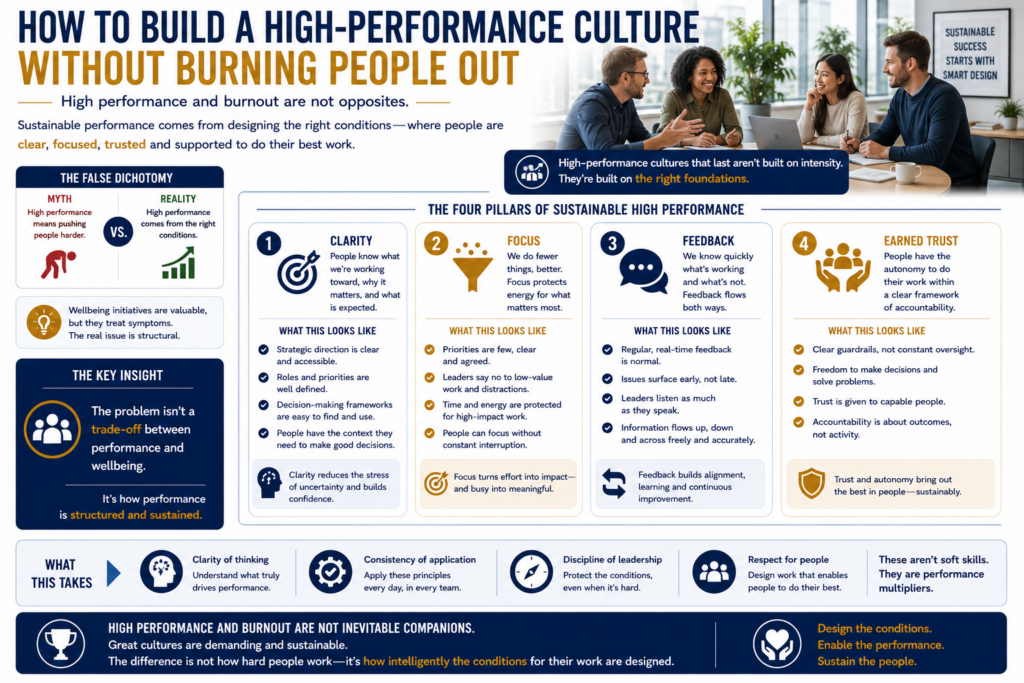
Most organisations, if they are honest, sit somewhere between these two positions. The question is not whether you have the right people. In most cases, you do. The question is whether your organisation is structured and led in a way that consistently brings out the best of what those people have to offer.
The answer to this question is not found in engagement surveys or performance reviews, although both can contribute useful information. It is found in a more specific kind of analysis – one that looks at where the organisation’s performance is genuinely systemic and where it is personally dependent.
Systemic performance is performance that is built into how the organisation operates – into its processes, its decision frameworks, its shared understanding of what good looks like. It is consistent regardless of who is in a specific role on a specific day. It survives turnover. It scales.
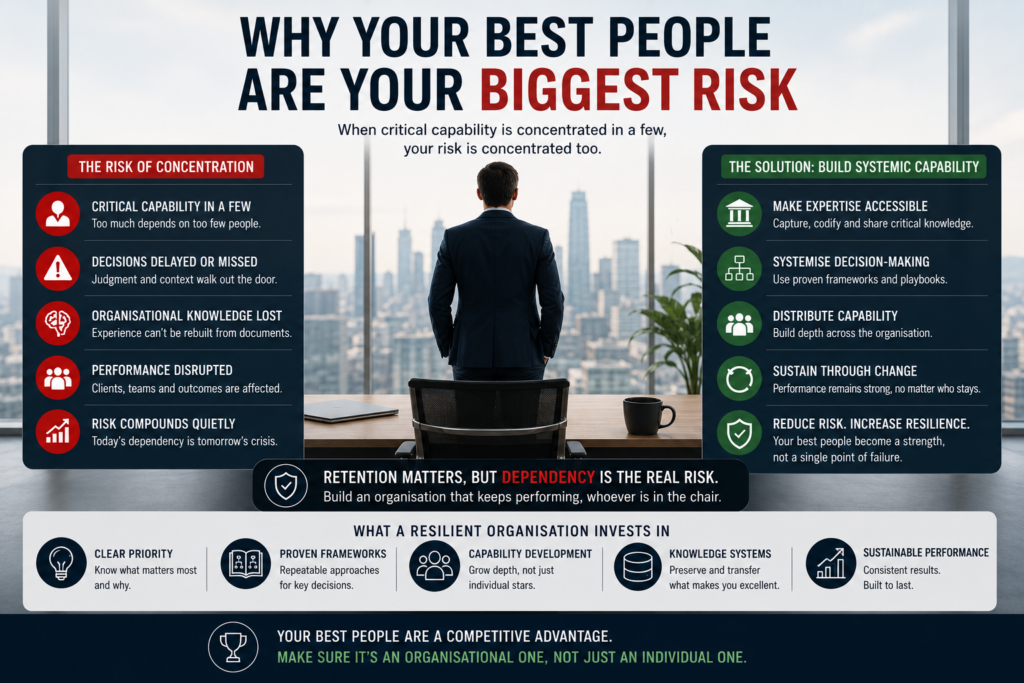
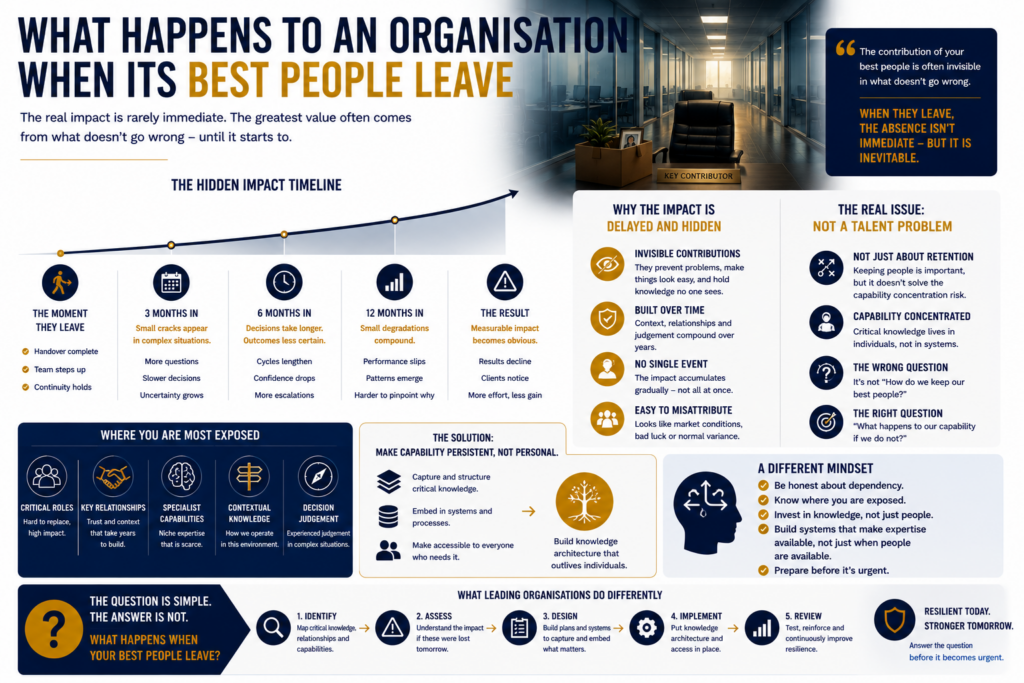
Personal performance is performance that is dependent on the presence, availability, and engagement of specific individuals. It is real – often impressively so – but it is not reliable in the way systemic performance is. When the individuals who carry it move on, so does the performance.
The distinction between these two types of performance is one of the most important and least discussed in business management. It is important because organisations that appear to be performing well on the basis of personal rather than systemic capability are carrying a risk they often do not see.
Building organisations that succeed because of their people rather than in spite of them requires a specific kind of investment – in making the best thinking, the best judgement, and the best expertise accessible across the organisation rather than concentrated in a small number of individuals.
This is a harder thing to build than a strong team. It requires being honest about where the organisation’s real capability sits, being willing to invest in systems that distribute intelligence rather than just talent, and having the patience to build structures that outlast the individuals who currently hold the knowledge.
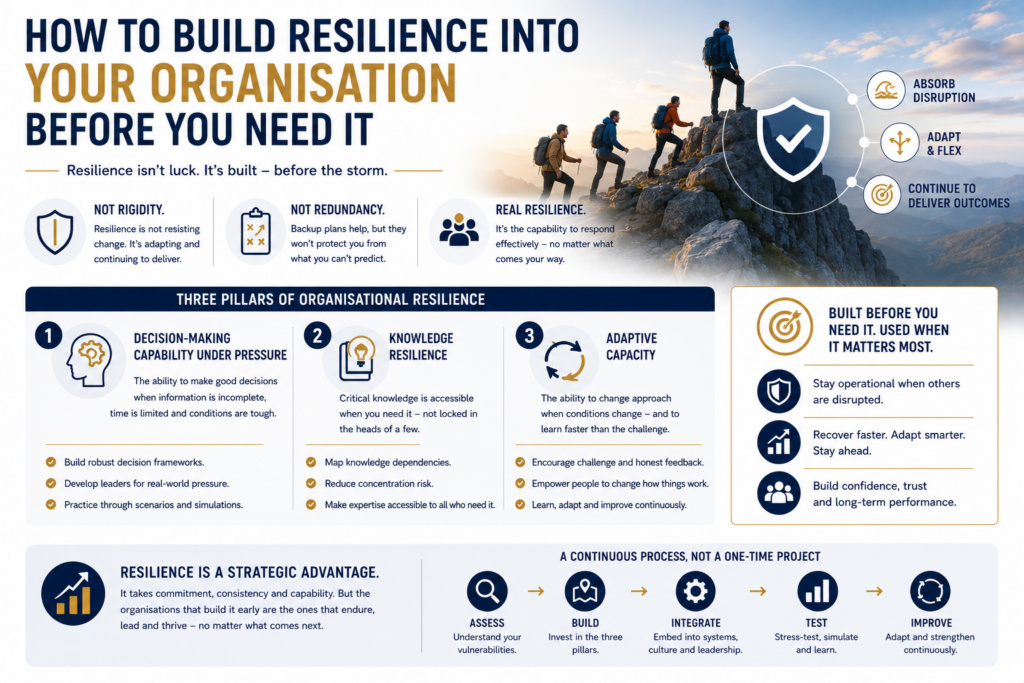
The organisations that answer this question honestly – and act on what they find – are the ones that build the kind of durable, scalable performance that holds up when circumstances change.
The question remains. Are you succeeding because of your people, or in spite of them? It is worth taking the time to find out.
Organisational intelligence starts with better understanding.
Interested in early platform access or receiving insights on leadership, performance and contextual intelligence – along with updates on the Levare platform.