I have always found it slightly infuriating how confidently people judge decisions after the event. Once the outcome is known, everything looks clearer. The right answer seems more obvious, the missed signals stand out, and the decision can be picked apart using information that was not necessarily available, visible or properly understood at the time.
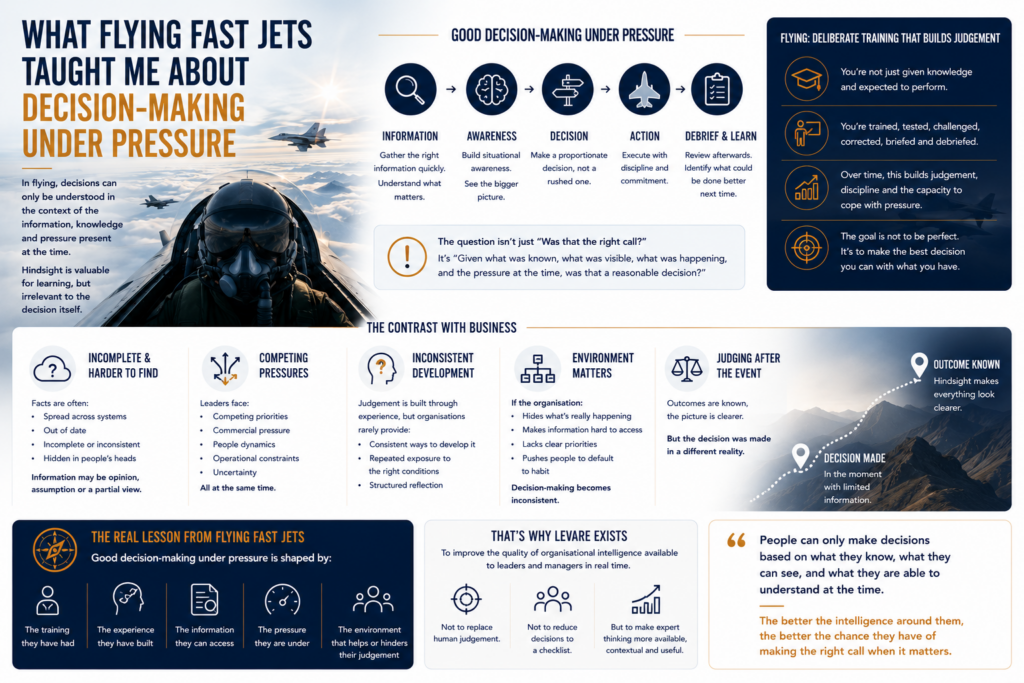
Flying teaches you to be careful about that. In the flying world, particularly in fast jets, decisions can only really be understood in the context of the information, knowledge and pressure present at the time. Hindsight is invaluable afterwards because it allows you to debrief, reflect and improve, but it is irrelevant to the decision itself because you do not have it when the decision has to be made.
That does not excuse a poor decision, but it does change how you understand it. The better question is not simply, “Was that the right call?” It is, “Given what was known, what was visible, what was happening, and the pressure at the time, was that a reasonable decision?” Afterwards, you can use the debrief to ask what could have been seen earlier, understood better, communicated more clearly, or handled differently next time.
Good decision-making under pressure is not something you are simply born with. In the early stages of flying training, you make mistakes. You rush things, miss cues, fixate on the wrong problem, become overloaded, or make a decision that feels right in the moment but looks very different when you talk it through afterwards. That is part of learning to operate in an environment where the pressure is real and the margin for error can be small.
The flying world understands this, which is why the training is so deliberate. You are not just given knowledge and expected to perform. You are trained, tested, challenged, corrected, briefed and debriefed until, over time, you start to build the judgement, discipline and capacity to cope with pressure and then manage within it.
Situational awareness is a big part of that, but it is not something anyone can simply give you. I remember being told by an instructor early in training that my situational awareness had been poor on a trip. When I asked how to improve it, the answer was basically, “Just get better at it.” It was not the most helpful coaching point I ever received, but there was a truth underneath it. Some things only develop through repeated exposure to the right conditions.
Over time, if you keep learning, you get better at gathering the right information, filtering out what does not matter, assimilating what does, and moving through the decision-making process quickly enough to stay ahead of the situation. The point is not to make rash decisions. The point is to build the ability to understand what is happening quickly enough to make a proportionate decision before the situation gets away from you.
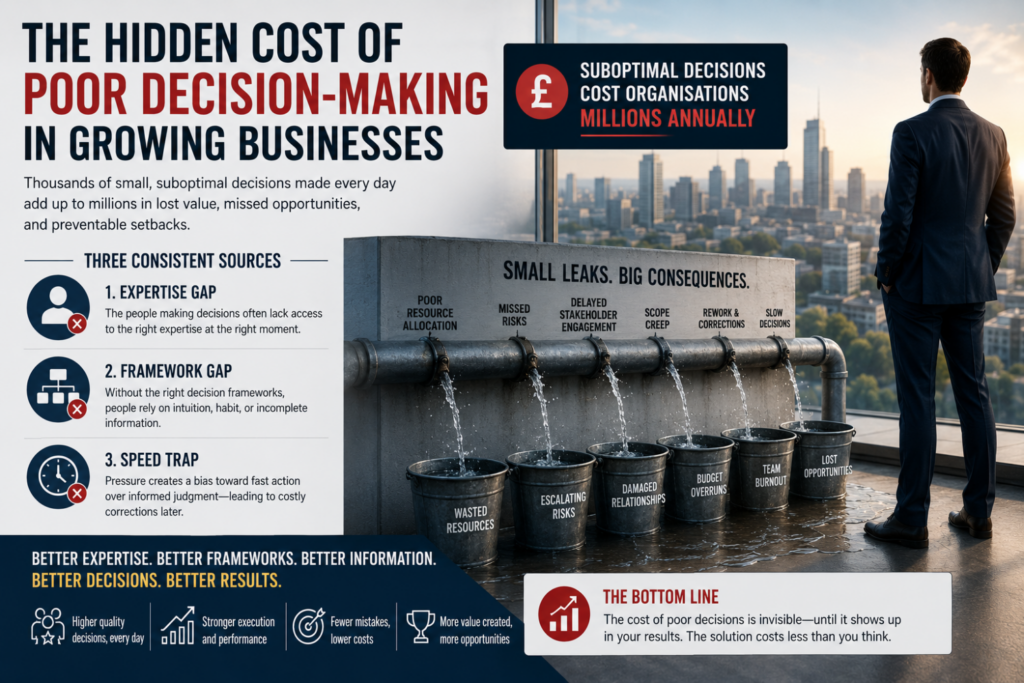
The contrast with business is interesting. Leaders and managers are also making decisions under pressure, but the environment around them is often far less deliberate in how it helps them do that well. They are expected to deal with incomplete information, competing priorities, commercial pressure, people dynamics, operational constraints and uncertainty, often without a consistent way of developing the judgement those situations require.
The quality of information is also very different. In flying, you are trained to gather the right information quickly and assimilate it as accurately as you can. In business, the facts are often harder to find. Data may be spread across different systems, out of date, incomplete, inconsistent or hidden inside people’s heads. What looks like information may actually be opinion, assumption or a partial view of what is happening.
That matters because decision quality is always affected by the quality of the information and context available at the time. A leader may have good judgement, strong intent and plenty of experience, but if the facts are unclear, the context is fragmented and the signals are weak, the decision will always be harder than it needs to be.
This is where organisations often misread the issue. They judge decisions after the event, when the outcome is known and the picture is clearer, but they do not always ask whether the person making the decision had the right information, context and support at the point the decision had to be made.
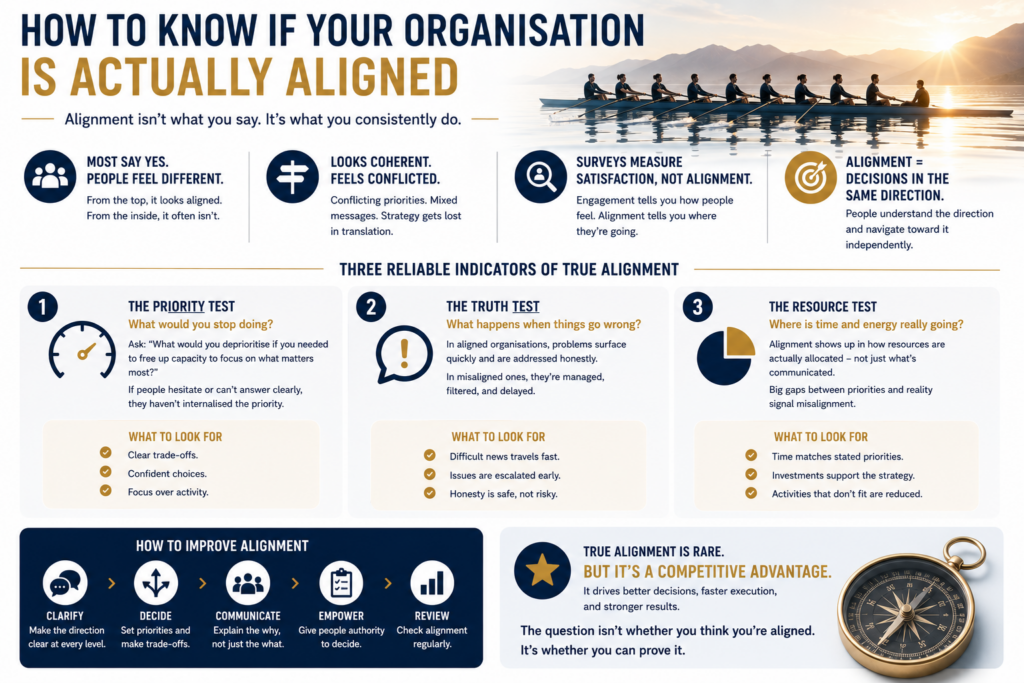
That is not just an individual leadership issue. It is an organisational environment issue. If the organisation makes it difficult to see what is really happening, if useful information is hard to access, if priorities are unclear, or if pressure pushes people towards familiar but unhelpful responses, then decision-making will become inconsistent.
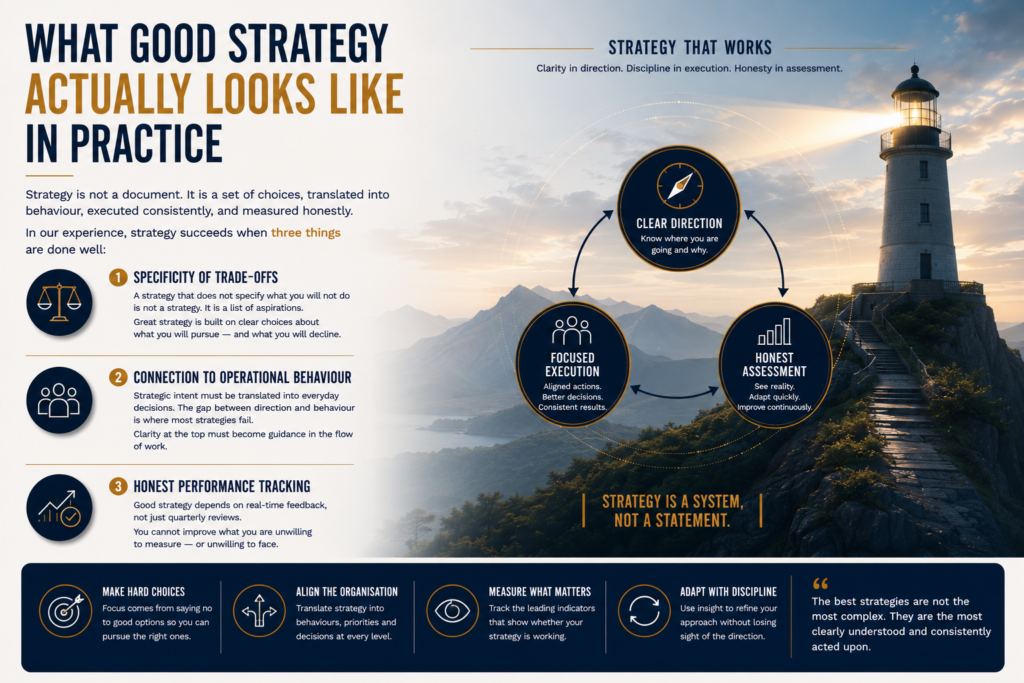
That is one of the reasons Levare exists. The aim is not to replace human judgement or pretend that business decisions can be reduced to a checklist. Organisations are too complex and too human for that. The aim is to improve the quality of organisational intelligence available to leaders and managers when they are trying to make sense of real situations in real time.
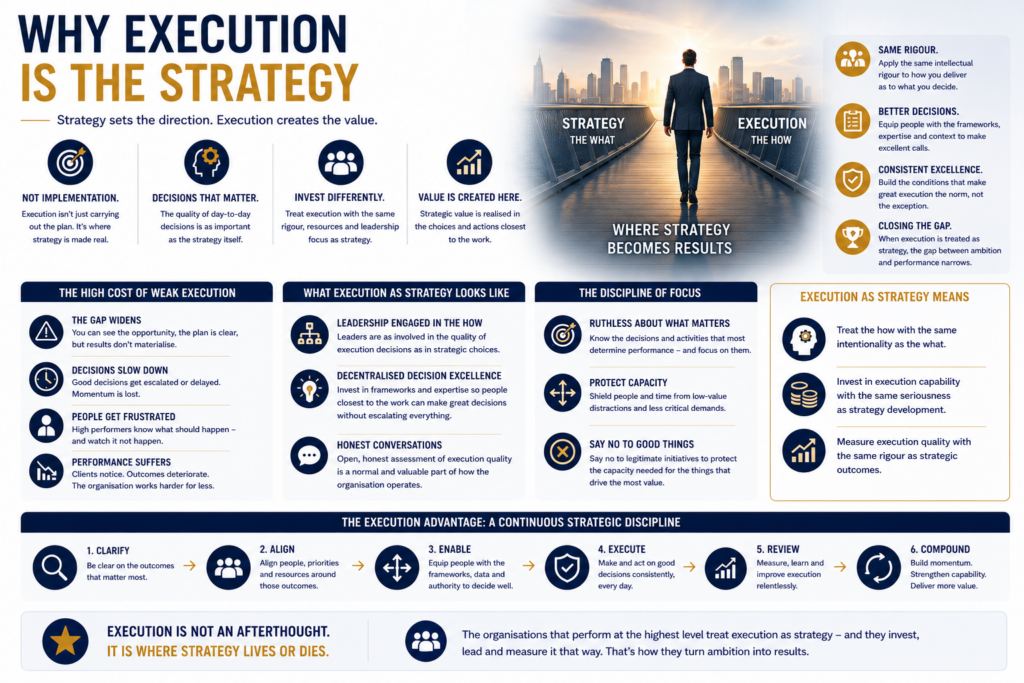
That, for me, is the real lesson from flying fast jets. Good decision-making under pressure is not just about the person making the decision. It is about the training they have had, the experience they have built, the information they can access, the pressure they are under, and the environment that either helps or hinders their judgement.
Business will never be the same as flying, and it does not need to be. But if organisations want better decisions, they need to pay more attention to what their people have available to draw on when those decisions are being made.
People can only make decisions based on what they know, what they can see, and what they are able to understand at the time. The better the intelligence around them, the better the chance they have of making the right call when it matters.
Organisational intelligence starts with better understanding.
Interested in early platform access or receiving insights on leadership, performance and contextual intelligence – along with updates on the Levare platform.