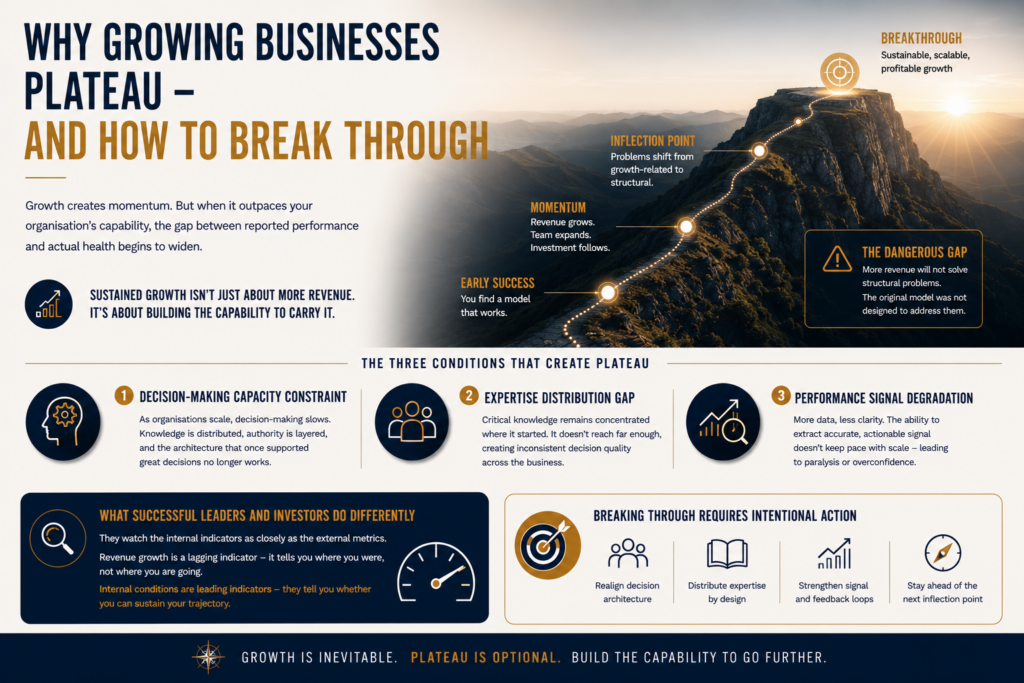
Growth is one of the most seductive narratives in business. It attracts investment, generates momentum, and creates the kind of organisational energy that makes almost everything feel possible. It is also one of the most reliable precursors to the specific kind of crisis that results from growing faster than the underlying capability of the organisation can support.
I have seen this pattern play out many times in my career – in the companies I have led, in the companies I have invested in, and in the companies I have been asked to help as a non-executive director when the consequences of the pattern have become apparent.
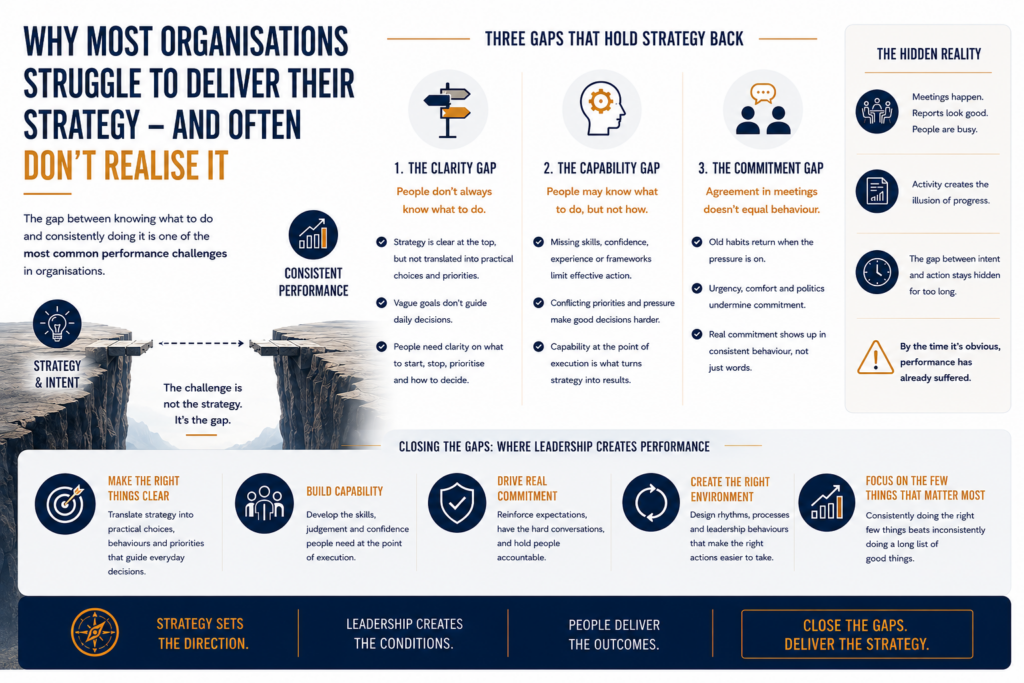
The pattern is consistent. A business finds a model that works. Revenue grows. The team expands. Investment follows. The narrative of growth becomes self-reinforcing – each milestone validates the next, and the pressure to sustain the trajectory intensifies. And somewhere in this process, the gap between the business’s reported performance and its actual organisational health begins to widen.
The widening is invisible at first. The numbers are good. The team is stretched but energised. The problems are the kind that growth businesses expect to have. And then, at some point that is difficult to identify precisely in hindsight, the problems stop being growth problems and start being structural problems – problems that more revenue will not solve and that the original model was not designed to address.
Understanding where this inflection point is, and what to do about it before it arrives, is one of the most valuable capabilities a business leader or investor can develop.
The inflection point is almost always associated with one or more of three conditions becoming unsustainable simultaneously.
The first is the decision-making capacity constraint. Early-stage businesses can make decisions quickly because the people with the most relevant knowledge and the authority to act are the same people, operating in close proximity, with a shared understanding of what matters. As the business scales, this proximity is lost. Knowledge becomes distributed. Authority structures become more complex. And the speed and quality of decision-making begin to decline – not because the people involved become less capable, but because the architecture that supported good decisions at smaller scale does not support them at larger scale.
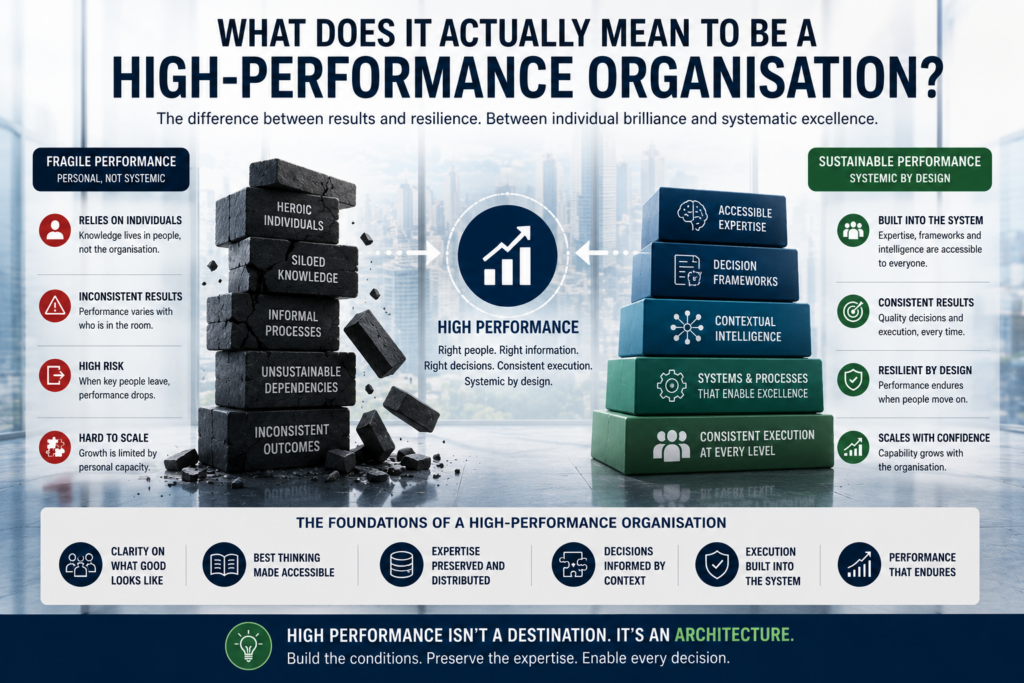
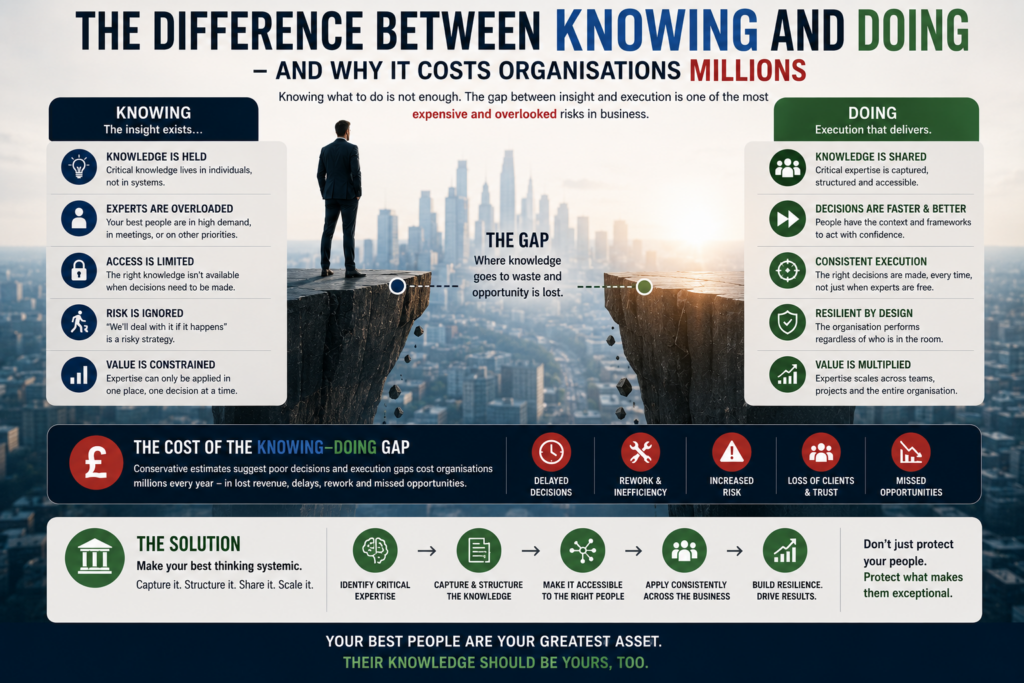
The second condition is the expertise distribution gap. The knowledge and judgement that drove the business’s early success are typically concentrated in the founding team or a small group of early hires. As the organisation grows, this knowledge needs to reach further – into new functions, new geographies, new layers of management. In most businesses, this distribution happens incompletely and unevenly. The result is significant variance in decision quality across the organisation – some parts operating with the clarity and capability of the founding team, others making decisions in relative isolation from the expertise that would improve them.
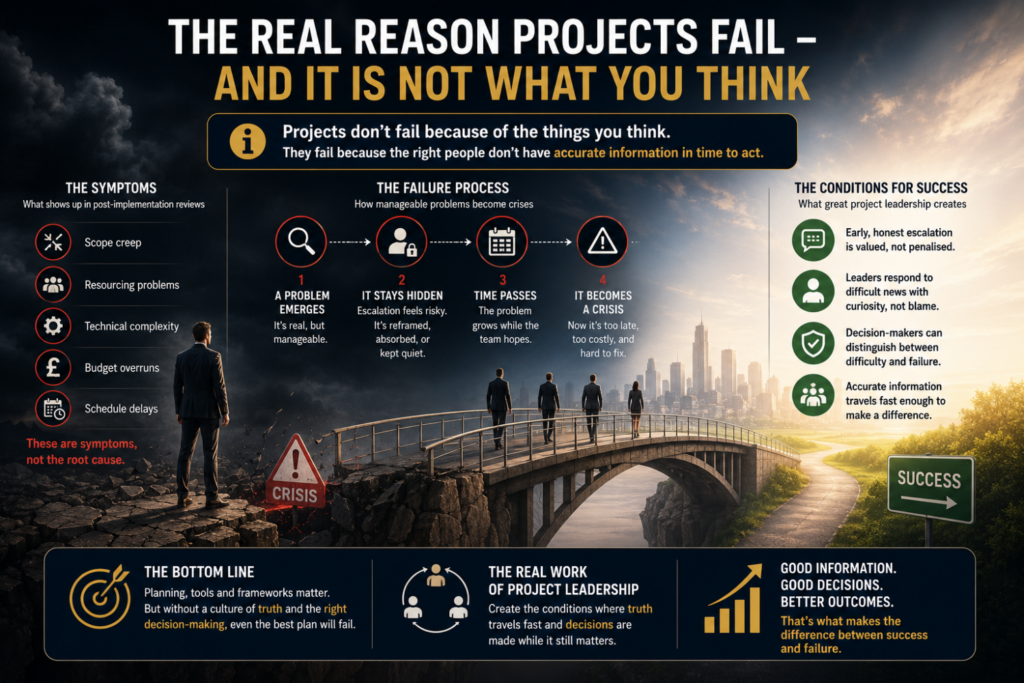
The third condition is the performance signal degradation. Growing businesses generate a lot of information. As they scale, the ability to extract accurate, actionable signal from that information tends to deteriorate – not because the data is worse, but because the interpretive capability needed to make sense of it has not scaled as quickly as the organisation has. Leadership teams find themselves with more information and less clarity – a combination that tends to produce either decision paralysis or overconfident decision-making, neither of which serves the business well.
The investors and leaders who navigate growth most successfully are those who pay as much attention to these internal conditions as they do to the external metrics that typically dominate the growth narrative. Revenue growth is important. It is also a lagging indicator – it tells you where you were, not where you are going. The internal conditions described here are leading indicators – they tell you whether the organisation has what it needs to sustain its trajectory or whether the gap between growth and capability is becoming dangerously wide.
Organisational intelligence starts with better understanding.
Interested in early platform access or receiving insights on leadership, performance and contextual intelligence – along with updates on the Levare platform.